Source water pump and thermostat kit for bmw for engines and repair
Explore 30 listings for the water pump and thermostat kit for bmw from verified Chinese manufacturers. Buyers can compare specifications, prices, and MOQs to find suitable components for engine cooling systems.
Key considerations
Products List
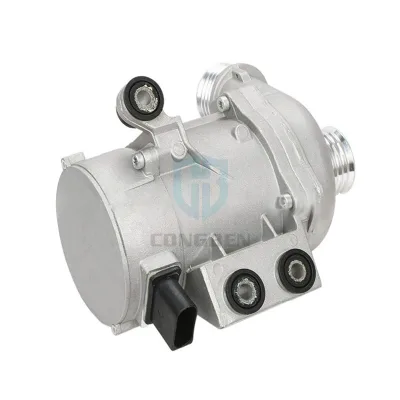


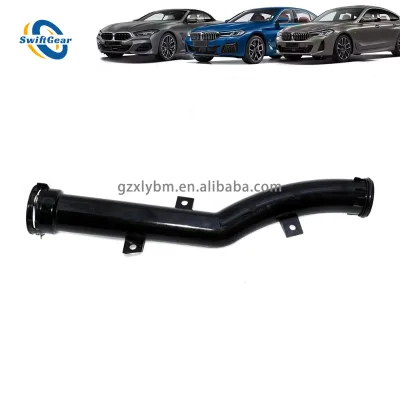


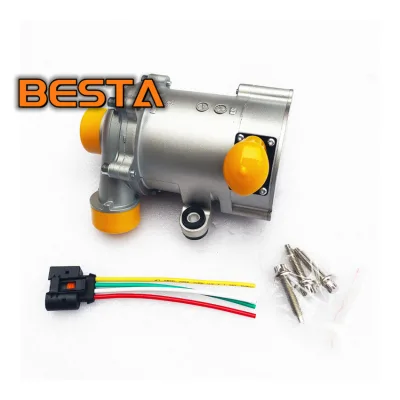


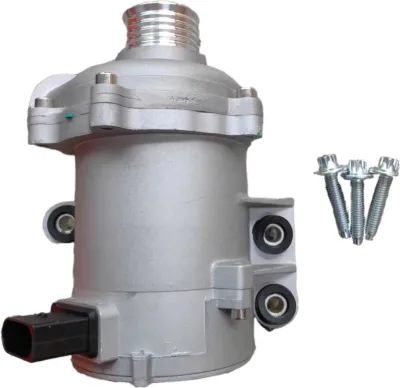




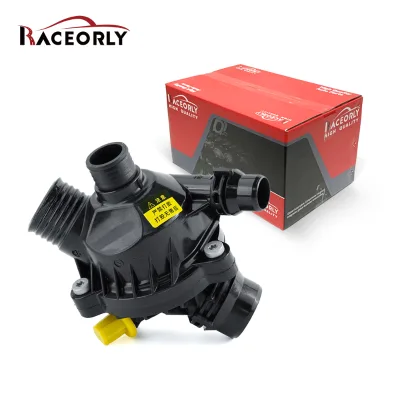
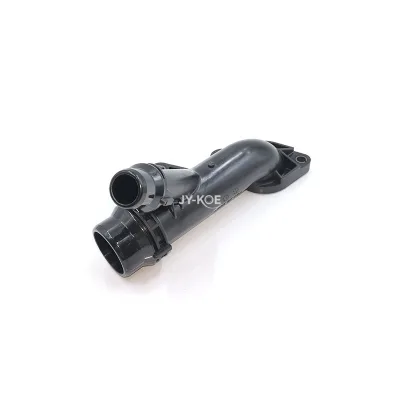
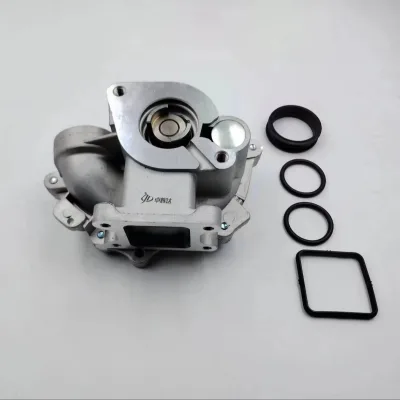
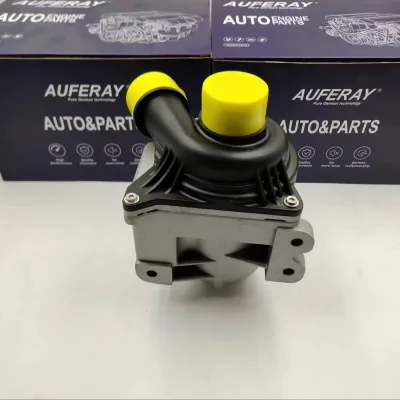
Comprehensive Sourcing Guide
Strategic Sourcing Guide for BMW Water Pump and Thermostat Kits
Understanding the Technical Landscape of BMW Cooling Systems
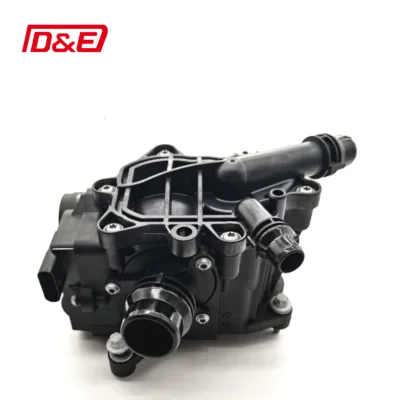
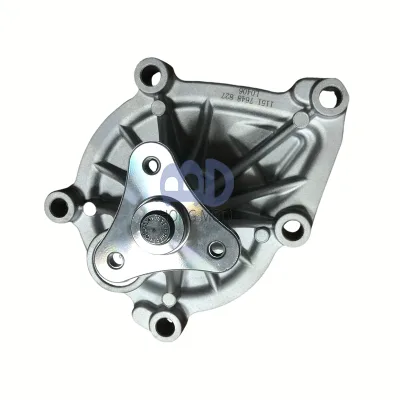
Sourcing a water pump and thermostat kit for BMW vehicles requires a precise understanding of the specific engineering demands placed on these components. The cooling system in German automotive engineering is not merely a circulation loop; it is a critical subsystem that manages engine thermal efficiency, particularly in high-performance applications. Based on observed market data, the core components for these kits often include electronic water pumps, belt tensioners, and thermostats, each serving distinct but interconnected functions. The electronic water pump, for instance, is frequently designed with a working voltage range of 9V to 16V and a working current exceeding 0.5A, ensuring reliable operation across various electrical loads. These units are often sealed types, utilizing glycol as the primary cooling fluid, which is standard for modern automotive thermal management to prevent freezing and corrosion.
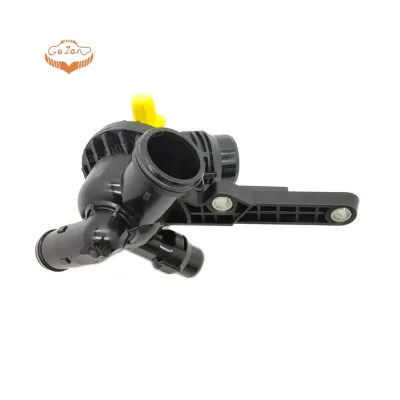
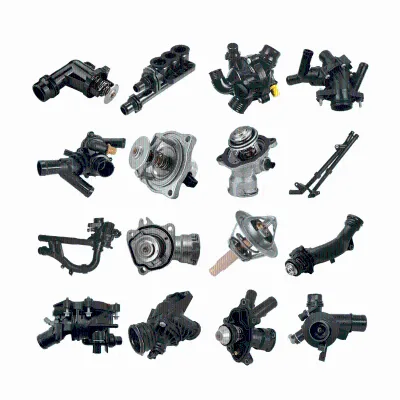
The structural integrity of these components is paramount. The body material for many units is identified as alloy, while internal components may utilize iron, aluminum, and rubber. This combination of materials is selected to balance weight reduction with durability under high thermal stress. The thermostat component within the kit is often categorized as a digital type, featuring a water temperature sensor that provides precise feedback to the engine control unit. The radiator core type associated with these systems is typically tube-fin, designed for direct-flow efficiency. When evaluating a potential kit, buyers must verify that the product specifications align with these material and structural requirements. The presence of specific part numbers, such as 11517586925, 11537589713, or 1537644811, serves as a primary identifier for compatibility. These numbers are not merely labels but are critical references for ensuring the component fits the specific BMW model year and engine configuration.
Compliance and Certification Verification Protocols
In the B2B procurement of automotive parts, compliance is not a suggestion but a prerequisite for market entry and liability protection. Buyers must rigorously verify that suppliers adhere to recognized international standards. The supply chain data indicates that certain products carry certifications such as ISO and RoHS. These certifications are essential for ensuring that the materials used in the water pump and thermostat kit do not contain hazardous substances and meet quality management benchmarks. The IP67 rating is another critical specification to verify, particularly for electronic components like the water pump. This rating indicates a high level of protection against dust and temporary immersion in water, which is vital for components exposed to the harsh under-hood environment.
Furthermore, the standard for the product itself must be confirmed. While some listings reference a "Standard" designation, others provide specific dimensional standards, such as 2418.518.5cm for packaging or specific model numbers like 021121117A, 1J0122291F, and 06H121132H. These model numbers correspond to specific vehicle applications and must be cross-referenced against the buyer's inventory requirements. It is crucial to note that while some products may claim to be suitable for "Germany cars" or specifically "BMW," the actual certification status must be validated through documentation provided by the manufacturer. Buyers should request proof of ISO and RoHS compliance before finalizing any order, as these documents serve as the legal and technical basis for the product's safety and environmental compliance. Without these verifications, the risk of sourcing non-compliant parts that could lead to vehicle failure or regulatory issues increases significantly.
Cost Drivers and Pricing Dynamics in the Market
The pricing structure for BMW water pump and thermostat kits is influenced by a complex array of factors, including material costs, manufacturing complexity, and supply chain logistics. The observed market price range for these components spans from 1.5 USD to 133.87 USD, reflecting the vast difference between basic mechanical parts and advanced electronic assemblies. This wide variance is primarily driven by the inclusion of electronic control units within the water pump assembly. An electronic water pump with a digital temperature sensor and a working voltage of 9-16V will naturally command a higher price point than a purely mechanical belt tensioner or a standard thermostat.
Material composition is another significant cost driver. Kits utilizing high-grade alloys, iron, and specialized rubber compounds will be more expensive than those using lower-grade alternatives. The manufacturing process also plays a role; components that require sealing, such as the sealed type water pumps, involve more rigorous quality control and assembly steps, which adds to the final cost. Additionally, the packaging and logistics contribute to the price. Products listed with "Neutral Packing" or "Normal" packing may have different shipping costs compared to those with specialized branding. Buyers should be aware that the Minimum Order Quantity (MOQ) also impacts the unit price. The observed MOQ range is between 1 and 100 pieces, with some suppliers requiring a minimum of 100 pieces for certain items. Understanding these dynamics allows buyers to negotiate more effectively and anticipate the total cost of ownership, including potential volume discounts for larger orders.
Typical Applications and Compatibility Assessment
The application of water pump and thermostat kits is highly specific to the vehicle model and engine type. While the general category is "Auto Engine," the specific compatibility with BMW vehicles requires careful attention to the listed car models and part numbers. The data indicates that these components are designed for "Germany cars" and specifically for "BMW" models. However, the term "BMW" encompasses a wide range of vehicles, from compact sedans to high-performance SUVs, each with unique cooling system requirements.
To ensure compatibility, buyers must match the product model numbers to the vehicle's original equipment manufacturer (OEM) specifications. The observed model numbers, such as 037121619, 6Q0122291E, 5Q0122291DA, and 1537644811, are indicative of specific applications. For example, a kit with the model number 11517586925 is explicitly linked to an electronic water pump for BMW, suggesting it is designed for a specific engine configuration. Buyers should not assume that a kit labeled for "BMW" will fit all BMW models. Instead, they must verify the specific part number against the vehicle's service manual or database. The purpose of these kits is generally for "replace/repair," meaning they are intended to restore the vehicle to its original cooling performance. Understanding the specific application is crucial to avoid the costly errors associated with incorrect part installation, which can lead to engine overheating and severe mechanical damage.
Supplier Evaluation and Origin Verification
Evaluating suppliers for automotive components requires a multi-faceted approach that considers origin, brand reputation, and production capabilities. The supply chain data reveals that these products originate from various locations in China, including Hebei, Zhejiang, and Guangdong. Each region may have different manufacturing specializations and quality control standards. For instance, some products are listed with the brand "Congben," while others are branded as "SWIFTGEAR." The presence of a specific brand name can be an indicator of the supplier's commitment to quality, but it should not be the sole factor in the decision-making process.
Buyers should verify the "Place of Origin" and "Prod Origin" details to understand the manufacturing context. Products originating from Hebei, Zhejiang, or Guangdong may have different logistical advantages depending on the buyer's location. Additionally, the condition of the product is a critical factor; all observed listings specify the condition as "New," which is a baseline requirement for any replacement part. The warranty period is another key metric, with most products offering a 1-year warranty. This warranty period should be clearly understood and documented in the purchase agreement. Buyers should also check for customization availability, as some suppliers may offer tailored solutions for specific fleet requirements. By thoroughly evaluating the supplier's origin, brand, and warranty terms, buyers can mitigate the risks associated with sourcing from an unreliable vendor.
Quality Control and Long-Term Procurement Considerations
Ensuring the long-term reliability of water pump and thermostat kits requires a robust quality control strategy. The working temperature range of -40 to 135 degrees Celsius is a critical specification that must be met by the components. This range ensures that the parts can withstand extreme cold starts and high-temperature operating conditions without failure. Buyers should verify that the products have undergone testing to confirm they meet these temperature specifications. The use of digital temperature sensors and sealed structures further enhances the reliability of the components, but these features must be validated through quality assurance processes.
Long-term procurement considerations also include the availability of spare parts and the consistency of the supply chain. Suppliers that offer customization and have a track record of consistent production are preferable for ongoing procurement needs. The packaging specifications, such as "Neutral Packing" or "Normal" packing, should be evaluated for their ability to protect the components during transit. The net weight and gross weight of the products, such as 0.96kg/PCS and 1.1kg/PCS respectively, are important for logistics planning and cost estimation. By focusing on these quality control and logistical factors, buyers can ensure a steady supply of high-quality components that meet the demanding standards of BMW vehicles. This approach minimizes downtime and maintenance costs, ultimately contributing to the overall efficiency and profitability of the procurement operation.
FAQs
What is the warranty period for these kits?
Most products listed come with a 1-year warranty. This coverage applies to new condition items from brands like Congben and SWIFTGEAR, ensuring protection against defects for one year from purchase.
Which certifications do the electronic water pumps hold?
Products often carry ISO and RoHS certifications. These standards verify that the components meet quality management benchmarks and do not contain hazardous substances, which is critical for automotive safety compliance.
Can the water pumps operate in extreme temperatures?
Yes, the working temperature range is typically -40 to 135 degrees Celsius. This specification ensures reliable performance during cold starts and under high thermal stress conditions in the engine bay.
What is the minimum order quantity for these parts?
The observed MOQ ranges from 1 to 100 pieces depending on the supplier. Some specific listings require a minimum of 100 pieces, while others allow single item purchases for testing or small repairs.
Which materials are used for the pump body?
The body material is typically identified as alloy, with internal components made of iron, aluminum, and rubber. This combination balances weight reduction with durability required for high-performance German automotive engines.
What is the working voltage for the electronic pumps?
The working voltage is specified as 9V to 16V. This range supports reliable operation across various electrical loads and ensures compatibility with standard vehicle electrical systems without requiring external converters.
Where are these products manufactured?
Products originate from various locations in China, including Hebei, Zhejiang, and Guangdong. These regions host factories that produce components for German cars, with specific origins noted on individual product listings.